
The Last Copper Run
WGA East Registration #I381209
WGA East Registration #I381209
Fifty pounds of copper, sixty Appalachian miles, forty-eight hours.
Between 1920 and 1933, the U.S. government deliberately poisoned industrial alcohol with methanol, kerosene, and formaldehyde. Over 10,000 Americans died. In Appalachian Tennessee, pure copper-pot moonshine wasn't contraband. It was the only safe thing left to drink. The moonshiners weren't criminals. They were keeping their communities alive.
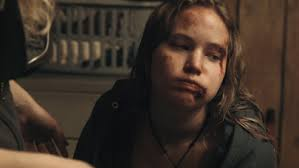
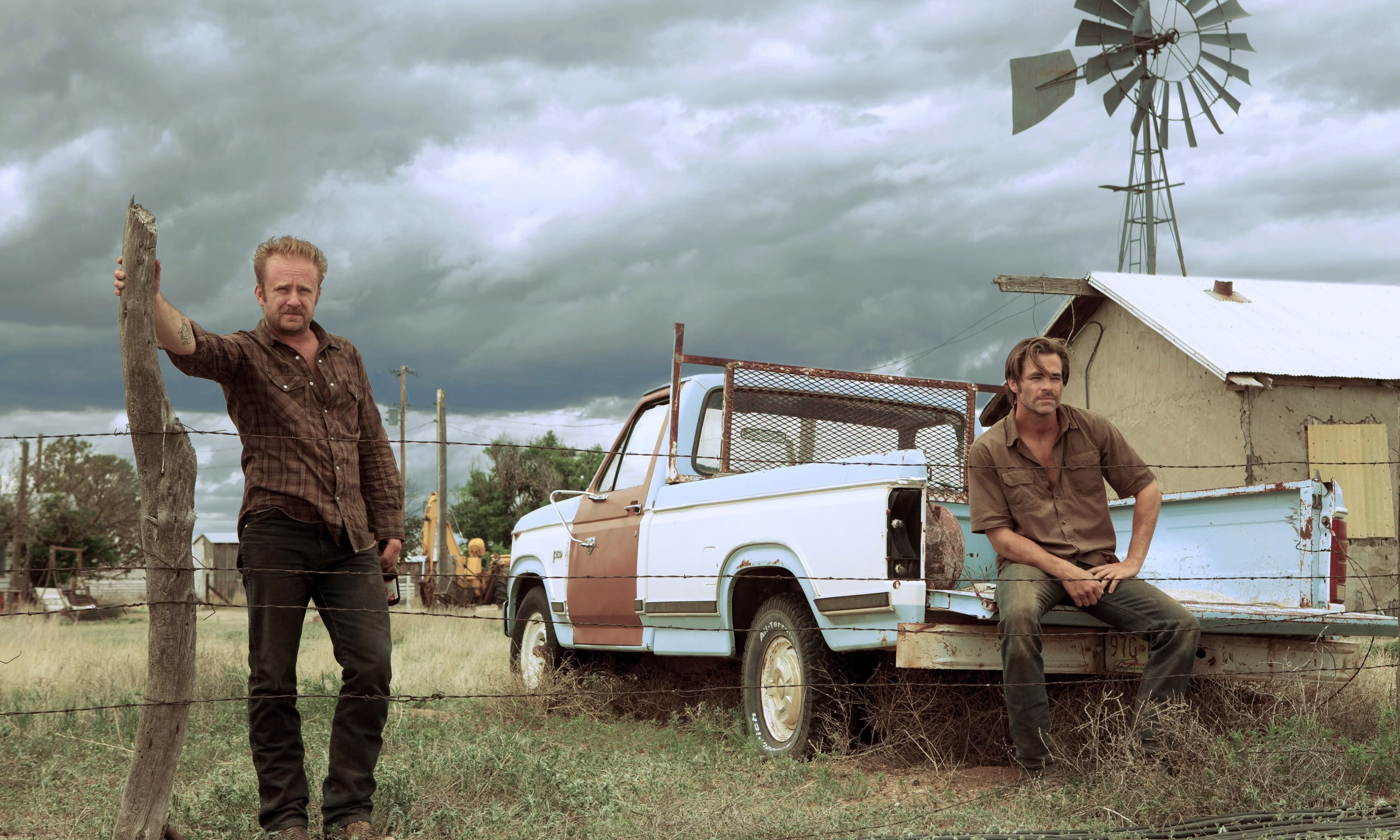
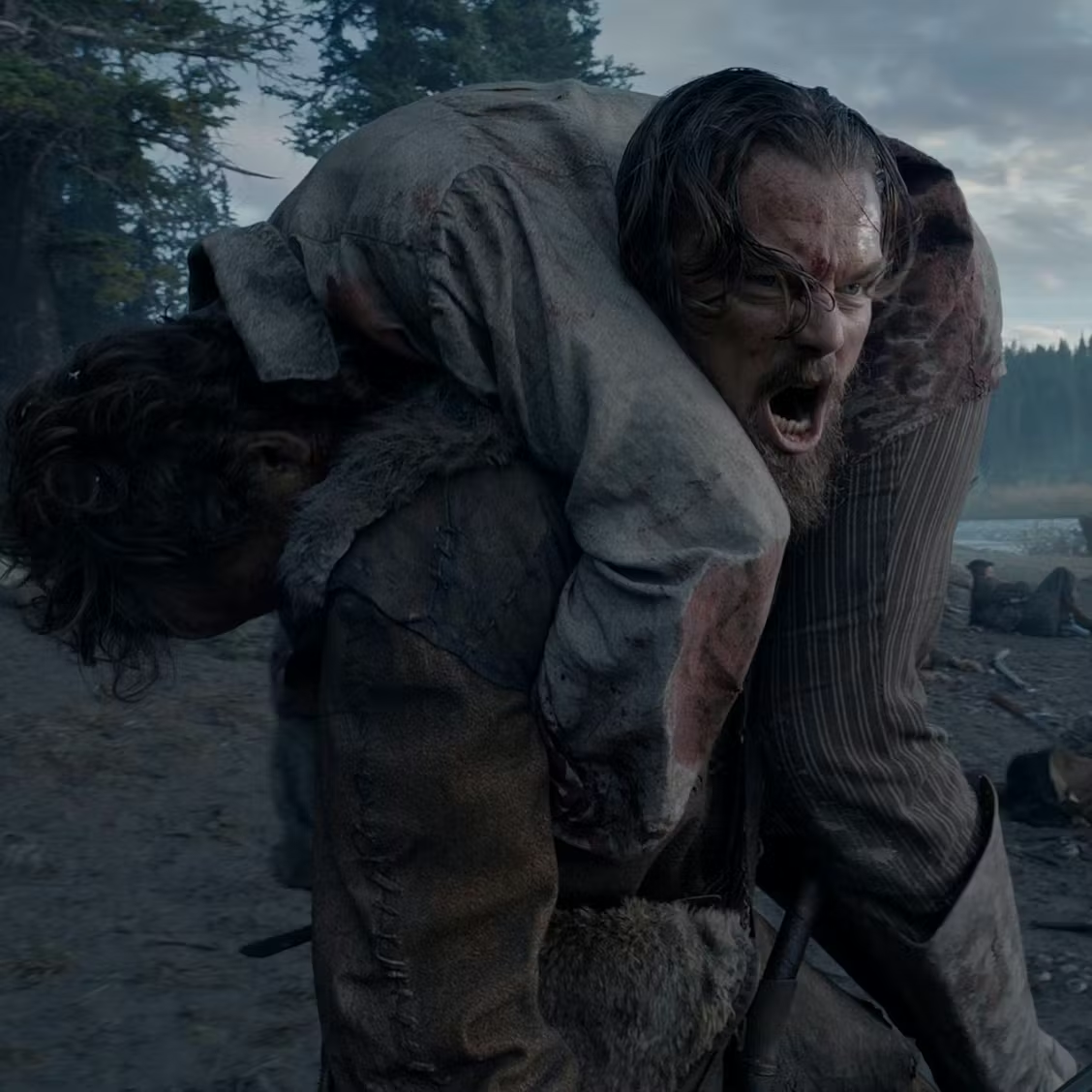
All images in this lookbook are used solely for visual reference to convey tone, mood, and style.
The film lives in gray zones—predawn mist, twilight forests, lamplight in still houses. We shoot the liminal hours when the mountains feel most alive and most dangerous.
Copper stains on hands. Blood seeping through homespun. Breath misting in cold air. The shine of moonshine catching lamplight. We feel every mile.
Ridge after ridge disappearing into fog. The Smokies rendered vast, indifferent, beautiful, and deadly. Distance as weight. Geography as obstacle.
The drip of copper condensation. Boots on frost. River roar. Rifle crack echoing through hollows. Minimal score. The mountain provides its own music.
We grade the lush Tennessee greenery into a desaturated world—sepia-adjacent, almost monochromatic. The color palette draws from the earth itself: the black of charred wood, the gray of morning fog, the brown of mud and blood dried together.
When copper appears—in the still's gleam, in firelight, in whiskey catching lantern glow—it burns through the gray like a promise. This is our visual throughline: warmth fighting to survive in a world gone cold.

Abel McCallister. Weathered hands. Four generations of copper craft. Standing guard at the still house door, knowing they're coming, knowing he won't run.

The McCallister homestead. Isolated. Vulnerable. Federal agents emerge from fog like ghosts. Everything changes in a single morning.

What the federals left behind. Smoke still rising. Four generations reduced to char and rubble. Birdie stands in the ruins—and makes her choice.

The Nolichucky. Swollen from rain. Cold as death. Birdie must choose: the copper or her life. She chooses both.

Tommy. Three days screaming. Eyes gone milky white from methanol. Government poison in American veins. This is why she runs.

Extreme wide shots. Endless Appalachian folds disappearing into haze. Sixty miles of mountain. Time collapsing into geography.

Sixty miles. Two days. One woman. Exhausted, bloodied, transformed.

Federal agents. Flat caps. Badges. They come with rifles and axes and the full weight of the government behind them. Beck's men. Hunting moonshiners like animals through the hollers.

Fifty pounds of hand-hammered copper. Four generations of craft. Worth more than gold in a poisoned world. This is what she carries. This is why they hunt her.

Between 1920 and 1933, the United States government deliberately poisoned over 10,000 of its own citizens. Most victims were poor. Most were rural. Most were working-class. Most of their names are lost.
This film is a memorial. It's also a reckoning—with how governments rationalize violence against marginalized communities, how principle becomes tyranny, how ordinary people resist.
But beyond history, this is a survival story about a woman refusing to carry her father's war. It's about breaking generational cycles. Choosing life over legacy. In an era when we're re-examining government overreach, economic inequality, and who decides which laws are just—this story feels urgent.